Step-by-Step Guide: How to Do an At-Home Colour Analysis
Understanding which colours complement your natural skin tone can make a significant difference in how you look and feel. Conducting a colour analysis at home can help you identify your best colours for clothing, makeup, and even nail polish. Follow these steps to perform a thorough at-home colour analysis:

1. Gather Your Supplies:
- A full-length mirror with good lighting.
- Several pieces of white fabric or clothing (like a white towel or shirt).
- Several pieces of black fabric or clothing.
- Various colored fabric swatches or clothing items in different colours (if available).
- Natural light is ideal, so choose a well-lit room for accurate results.
2. Determine Your Skin Tone:
- Stand in front of the mirror and observe the undertones of your skin. Skin tones generally fall into one of three categories:
- Cool Undertones: Your skin has hints of blue, pink, or violet.
- Warm Undertones: Your skin has hints of yellow, peach, or golden.
- Neutral Undertones: Your skin doesn’t lean strongly towards either warm or cool tones, or you have a mix of both.
3. Test with White and Black:
- Hold the white fabric near your face in natural light. Notice how your skin appears in comparison to the white fabric.
- Cool Undertones: Your skin may appear brighter, with a slight blue or pinkish hue.
- Warm Undertones: Your skin may appear more radiant or golden against the white fabric.
- Repeat the process with the black fabric.
- Cool Undertones: Your skin may appear dull or ashy against black fabric.
- Warm Undertones: Your skin may appear vibrant and healthy against black fabric.
4. Test with Colored Fabrics:
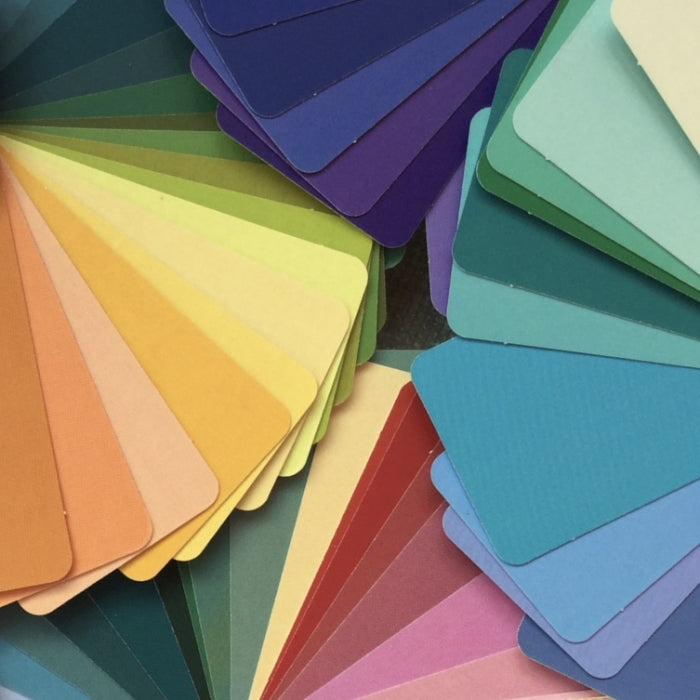
- Select colored fabric swatches or clothing items in different colours.
- Hold each fabric or item near your face, observing how the colour affects your complexion.
- Note which colours make your skin appear radiant, even-toned, and vibrant. These are likely your best colours.
- Avoid colours that make your skin look sallow, washed-out, or overly contrasting.
5. Identify Your Best Colours:
- Based on your observations:
- Cool Undertones: Your best colours generally include jewel tones like emerald green, royal blue, and rich purples. Pastels and icy shades also complement cool undertones.
- Warm Undertones: Your best colours typically include earth tones like warm reds, oranges, yellows, and browns. Rich, warm shades like coral and olive green also enhance warm undertones.
- Neutral Undertones: You may find that both warm and cool colours suit you. Experiment with a variety of shades to find your perfect balance.

6. Test Makeup and Accessories:
- Apply makeup in colours that complement your skin tone based on your analysis.
- Experiment with accessories (like scarves or jewellery) in your best colours to see how they enhance your overall appearance.
7. Document Your Findings:
- Keep a list of your best colours for future reference when shopping for clothing, makeup, and nail polish.
8. Consult Online Resources (Optional):
- Use online colour analysis tools or guides to validate your findings or gain further insights into your colour palette.

Performing an at-home colour analysis can empower you to make informed choices about your wardrobe and beauty routine, ensuring that you always look your best. Embrace your unique colour palette and enjoy the confidence that comes with wearing colours that complement your natural features.
Shop for your perfect nail colour palette here at NAILSAMI. Happy colour analyzing!