
How to Dry Nail Polish Faster: 5 Methods Ranked (2026)
The fastest way to dry nail polish is quick-dry drops or spray — they cut drying time from 20+ minutes to under 3 minutes. The ice water method works but only hardens the top layer. Thin coats are more effective than any hack applied after painting. For zero wait time, switch to gel polish with a UV/LED lamp — it cures in 60 seconds.
How to dry nail polish faster is one of the most searched nail questions online — over 40,000 people search for it every month. And most of the advice out there is either wrong (hairdryer on hot? that bubbles the polish), outdated, or too vague to actually help. I've tested every method people recommend — cold water, cooking spray, hairdryer on cool, quick-dry drops, UV lamps — and ranked them by what actually works. Some will surprise you. Some will annoy you because they're so simple.
Methods Ranked
1. Apply Thin Coats — The Only Method That Actually Prevents the Problem

Thin Coats
Prevents slow drying instead of fixing it after. Each thin coat dries in 2-3 minutes vs. 10+ for thick coats.
Every other method on this list is a band-aid. Thin coats are the cure. Here's why: nail polish dries through solvent evaporation — the liquid solvents in the polish need to escape into the air. In a thin coat, the solvents have a short distance to travel to reach the surface and evaporate. In a thick coat, the solvents in the lower layers are trapped under the upper layers that dry first, creating a "dry on top, wet underneath" situation that takes 20+ minutes to fully resolve.
How thin is thin? Your first coat should look slightly streaky and not fully opaque. That's the right thickness. If your first coat looks perfect and fully covers the nail, it's too thick. Build colour in 2-3 thin coats with 2-3 minutes of air-drying between each. Total time: 8-10 minutes for a fully dry, opaque manicure. That's faster than one thick coat that takes 20+ minutes and still dents when you grab your keys.
The brush technique: Wipe excess polish off one side of the brush on the bottle neck. You want the brush loaded on one side only. Three strokes per nail: centre, left, right. Don't go back over areas you've already painted — that drags the polish and makes it thicker.
2. Quick-Dry Drops & Sprays — The Best Post-Application Fix

Quick-Dry Drops/Spray
Surface dry in 60 seconds. Fully touch-safe in 3-5 minutes. Works on any regular nail polish.
Quick-dry drops are the single most effective product you can add to your manicure routine. They work by creating a barrier on the polish surface that accelerates solvent evaporation. Apply 1-2 drops per nail immediately after your final coat. The surface becomes touch-dry in about 60 seconds, and the polish reaches full hardness in 3-5 minutes.
Quick-dry drops vs. quick-dry spray: Drops are more concentrated and effective. Sprays cover more evenly but are weaker. If you're choosing one, go with drops. Brands like Seche Vite, OPI Drip Dry, and Sally Hansen Insta-Dri drops are all effective. Many also add shine, effectively acting as a top coat + drying agent in one step.
The catch: Quick-dry drops only accelerate the surface. The polish underneath still needs time to fully cure. You'll be touch-safe in 3 minutes, but deep pressure (like buttoning jeans or digging through a bag) can still dent the lower layers for up to 15 minutes. Be gentle with your hands for the first 15 minutes regardless of surface dryness.
3. The Ice Water Method — Does It Actually Work?

Ice Water Dip
Hardens the top layer quickly. Does NOT speed up full drying. Best used as a surface-setting step.
The ice water method is the most viral nail drying hack on TikTok, and the truth is: it works, but not the way people think. Submerging your freshly painted nails in ice-cold water for 2-3 minutes hardens the polish surface quickly. The cold temperature causes the top layer of polish to contract and firm up. Your nails will feel dry to the touch when you pull them out.
But here's the part nobody mentions: the layers underneath are still wet. Cold water sets the surface, not the full thickness. If you press firmly on the nail right after the ice water dip, you'll still leave a dent. The cold also doesn't accelerate solvent evaporation — it actually slows it down slightly because evaporation is slower at lower temperatures.
When it's useful: As a surface-setting step after applying quick-dry drops. The drops accelerate evaporation, the cold water hardens the surface. Together they're more effective than either method alone. But the ice water alone, without quick-dry product, is only a surface fix.
How to do it right: Fill a bowl with cold water and 4-5 ice cubes. Wait 2 minutes after your final polish coat (to let the surface partially set). Submerge fingertips for 2-3 minutes. Remove and pat dry gently — don't rub.
4. Cool Air — Fan or Hairdryer on Cool Setting

Cool Air (Fan / Hairdryer Cool)
Speeds evaporation by ~30%. Takes 10-15 minutes to fully dry. Better than nothing, worse than drops.
Moving air across wet nail polish speeds up solvent evaporation — that's basic physics. A small desk fan or your hairdryer on the cool setting (NEVER hot) can reduce drying time by roughly 30%. If a manicure normally takes 20 minutes to dry, cool air brings it down to about 12-15 minutes.
Why NOT hot air: Hot air softens polish rather than setting it. A hairdryer on the warm or hot setting will create bubbles in the polish as it heats the solvents and causes them to expand. This is the #1 mistake people make. If you see tiny bubbles appearing in your fresh polish, you used heat. Switch to cool immediately.
Best setup: A small USB desk fan positioned 6-8 inches from your nails provides consistent airflow without being so strong that it disturbs the polish surface. Point it at your hands and leave it running while you scroll through your phone with your knuckles. It won't perform miracles, but it helps.
5. Switch to Gel Polish — Zero Drying Time, Period
If you're tired of the entire drying game, there's a solution that eliminates it completely: gel polish with a UV/LED lamp. Gel polish doesn't "dry" through evaporation — it cures through a chemical reaction triggered by UV light. Apply the gel, put your hand under the lamp for 60 seconds, and it's fully hardened. Not surface-dry. Not touch-safe. Fully, completely, dent-proof hardened. In 60 seconds.
The tradeoff is the equipment investment: a UV/LED lamp (~$20-40), gel base coat, gel colour, and gel top coat. But if you do your nails regularly and you're consistently frustrated by drying time, the upfront cost pays for itself in sanity within a few manicures.
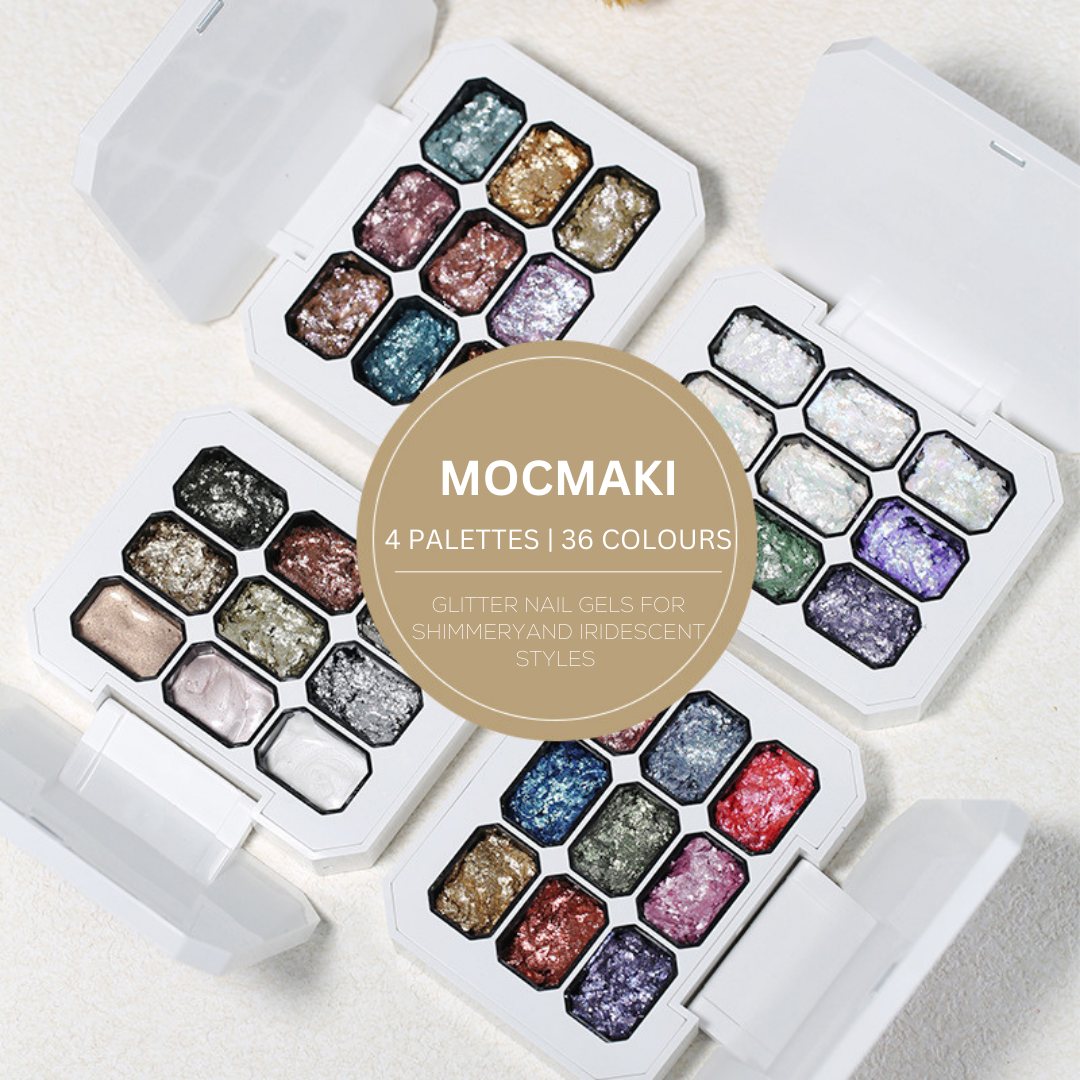
Our gel polish collection includes a full range of colours. For a complete gel beginner setup, see our gel nails at home guide. And if you're concerned about gel safety, our HEMA-free gel polish guide covers what to look for in a safe formulation.
Method Comparison: How Fast Does Each One Actually Work?
| Method | Surface Dry | Fully Dry | Effectiveness | Cost |
|---|---|---|---|---|
| Thin Coats | 2-3 min/coat | 8-10 min total | Prevents the problem | Free |
| Quick-Dry Drops | 60 seconds | 5-8 min | Best add-on product | $8-15 |
| Ice Water | 3 min | 15-20 min | Surface only | Free |
| Cool Air (Fan) | 5-8 min | 12-15 min | ~30% faster | Free-$15 |
| Gel Polish + UV Lamp | 60 seconds | 60 seconds | Eliminates drying entirely | $30-50 setup |
The best combination: Thin coats + quick-dry drops + cool air. Apply thin coats, add quick-dry drops after the final coat, and position a fan on your nails. Surface dry in 60 seconds, fully safe in about 5-8 minutes. That's the fastest you can get with regular nail polish.
4 "Drying Hacks" That Don't Actually Work
- Cooking spray / PAM spray. This is all over TikTok and Pinterest. The oil in cooking spray makes the surface feel slippery (which people mistake for "dry"), but it doesn't speed up solvent evaporation at all. It just makes your nails greasy. The polish underneath is still wet.
- Hairdryer on HOT. Hot air softens polish and creates bubbles. This makes your manicure worse, not better. Only the cool setting helps. If your hairdryer doesn't have a cool-only mode, don't use it.
- Dipping nails in flour or baby powder. This absorbs surface moisture but creates a matte, dusty finish that ruins the glossy look. You'd need to wash it off, which can smudge the not-yet-dry polish. Not worth it.
- UV/LED lamp on regular polish. UV lamps only cure gel polish — they have zero effect on regular nail polish. Regular polish dries through solvent evaporation, which UV light doesn't accelerate. Putting regular polish under a lamp is wasting your time and electricity.
Frequently Asked Questions
The honest answer to "how to dry nail polish faster" is frustratingly simple: paint thinner coats. Everything else — drops, cold water, fans — is damage control for coats that were too thick to begin with. If you master thin coats, you'll rarely need any drying hack at all.
And if drying time is a consistent frustration, seriously consider the gel polish switch. The 60-second cure time eliminates the entire problem. Browse our gel polish collection, check out the HEMA-free gel polish guide for safety info, or see our complete gel-at-home tutorial to get started.